


Why Sitework Sequencing Matters | V2 Grading & Paving
Welcome to V2 Grading & Paving inc. News and Blogs for Local Community
Stockton-Local News, Blogs and DYI Tips for Homeowners
Why Sitework Must Be Completed in the Right Order
Commercial sitework is a connected process. Demolition, excavation, underground utilities, drainage, grading, concrete preparation and asphalt paving may be separate phases, but they cannot be planned as separate projects.
When the sequence is right, each phase prepares the property for the next. When it is wrong, finished work may need to be damaged, removed or completed again.
This is where experienced planning makes a difference.
A capable sitework contractor considers the entire project—not only what needs to happen today, but also the crews, equipment and improvements that must follow.
🚧 Where Does the Sitework Process Begin?
The exact order depends on the construction plans, existing conditions and intended use of the property. However, many commercial and industrial projects follow a similar progression:
- Clearing and demolition
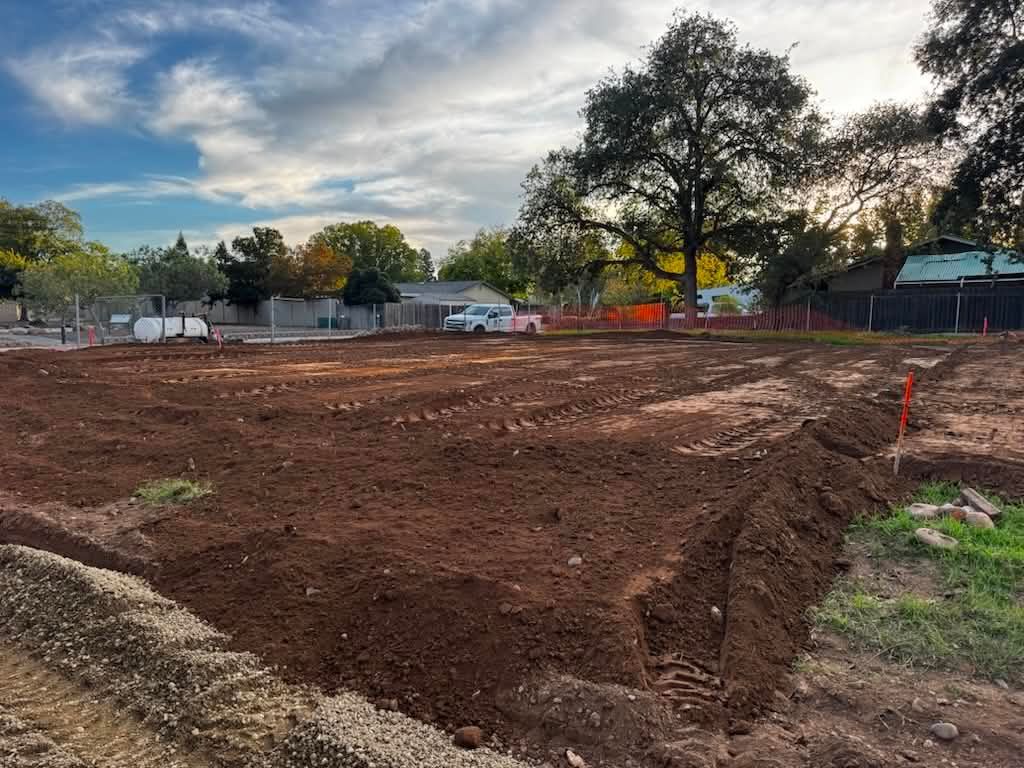
- Excavation and earthmoving
- Underground utilities and drainage
- Rough grading and site balancing
- Building-pad and subgrade preparation
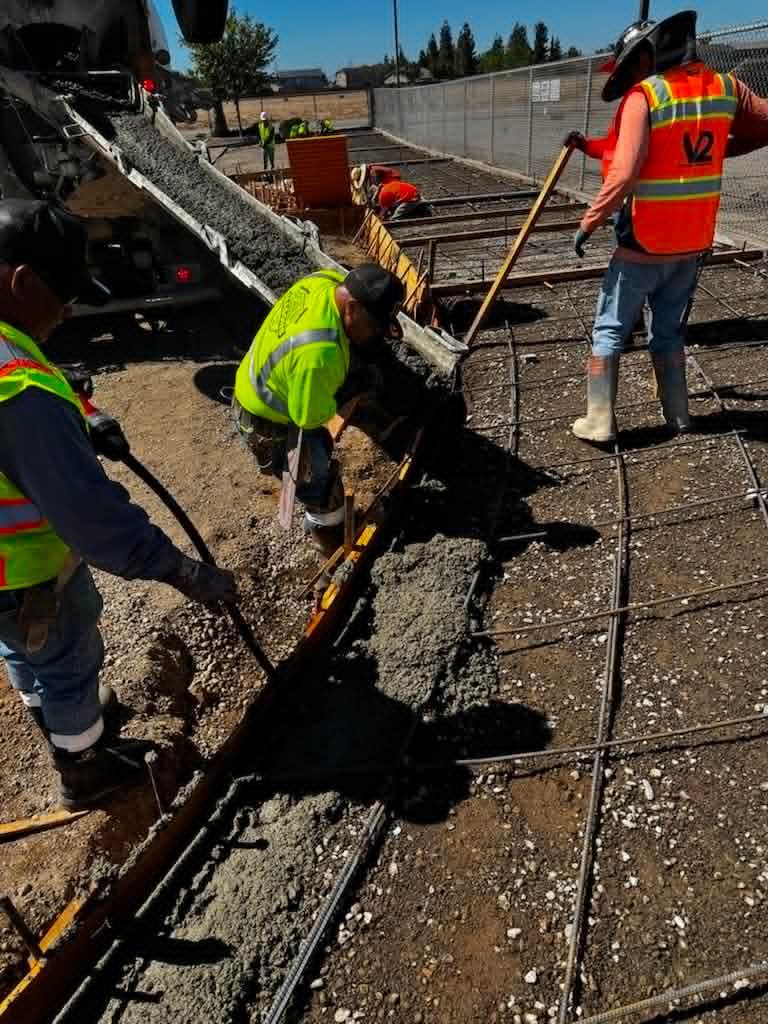
- Concrete and structural improvements
- Finish grading and aggregate base
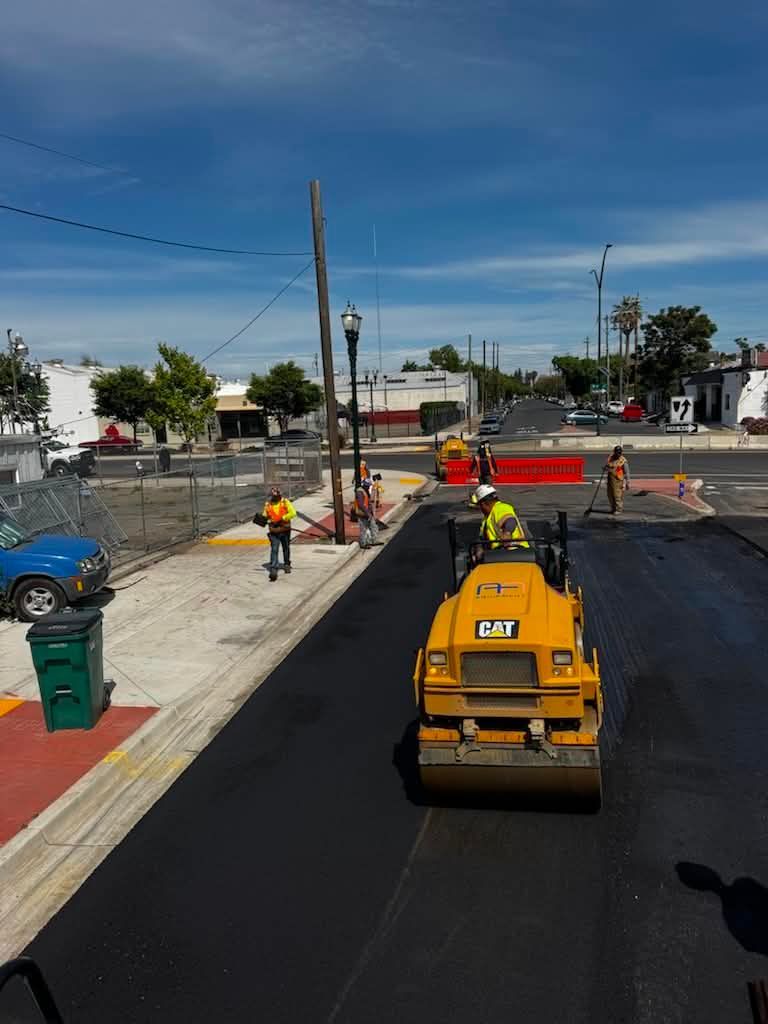
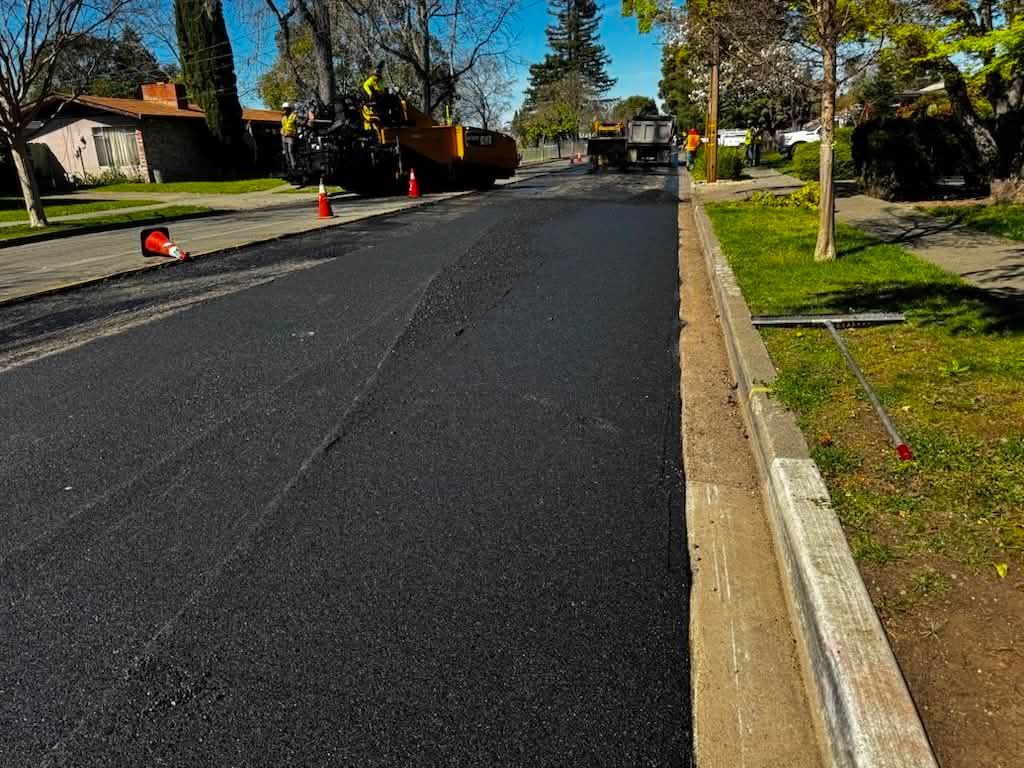
- Asphalt paving, striping and final improvements
Some phases may overlap or change as field conditions develop. The important part is coordinating every decision around the complete construction plan.
⚙️ What Happens When the Sequence Is Wrong?
Completing sitework out of order can create problems across the entire project. Paving before underground utilities are finished may require new asphalt to be cut open. Final grading completed too early can be damaged by construction traffic or additional excavation.
Poor sequencing can result in:
- Newly completed surfaces requiring repairs
- Conflicts between utilities and final elevations
- Drainage that does not work with the finished grade
- Restricted access for equipment and deliveries
- Repeated material handling and additional trucking
- Contractors waiting for areas to become ready
- Avoidable expenses and schedule delays
The goal is not simply to complete each phase. Every phase must be completed at the right time to support everything that follows.
🦺 Coordination Keeps Every Crew Moving
Commercial construction may involve general contractors, engineers, utility crews, concrete contractors, inspectors, suppliers and several other project partners. Each team depends on specific site conditions before its work can begin.
Early coordination helps determine:
- When underground utilities must be installed
- Which access routes need to remain open
- Where materials and equipment can be staged
- What elevations must be established
- Which areas must support construction traffic
- When inspections need to occur
- Which finished surfaces should be completed last
Clear planning helps each crew arrive when the site is prepared and ready for its portion of the work.
🛣️ Why Paving Usually Comes Near the End
Asphalt paving is one of the most visible parts of a completed project, but its performance depends on everything built underneath it.
Before paving begins, underground work should be complete, drainage must function with the final elevations and the subgrade and aggregate base must be properly prepared. Construction traffic should also be considered so newly completed pavement is not unnecessarily damaged.
Saving the finished surface for the proper stage helps protect the investment and reduces the possibility of cutting, patching or repairing new pavement.
🛠️ How One Sitework Team Can Simplify the Project
Keeping multiple phases with one capable sitework contractor can reduce communication gaps and handoff problems. Excavation, underground utilities, grading and paving can be planned as connected parts of the same project instead of unrelated services.
This creates better continuity across:
- Plans and project specifications
- Elevations and drainage requirements
- Equipment and trucking needs
- Material placement and compaction
- Access and staging
- Construction scheduling
- Final surface preparation
It also creates a clearer point of accountability when site conditions change or adjustments must be made in the field.
✅ Final Thought
Successful commercial projects depend on more than completing individual services. Every phase must happen in an order that supports the plans, protects finished work and keeps the overall construction schedule moving.
Planning the sequence before breaking ground can prevent avoidable repairs, control unnecessary costs and prepare every part of the site for what comes next.
V2 Grading & Paving Inc. provides coordinated sitework for commercial, industrial, municipal, agricultural and development projects throughout Stockton, Lodi, Sacramento and surrounding Northern California communities.