

Why Commercial Pavement Fails Early | V2 Grading & Paving
Welcome to V2 Grading & Paving inc. News and Blogs for Local Community
Stockton-Local News, Blogs and DYI Tips for Homeowners
Why Commercial Pavement Fails Before It Should
Commercial pavement is expected to withstand delivery trucks, equipment, employee traffic and changing weather conditions. When cracking, sinking or standing water appears earlier than expected, the asphalt itself may not be the original cause.
Many pavement problems begin beneath the finished surface.
Weak subgrade, insufficient base material, improper compaction and poor drainage can compromise the entire paved area. Understanding these underlying issues helps property owners and project managers make better decisions before repairing or replacing the asphalt.
🚧 What Are the Warning Signs of Pavement Failure?
Small surface changes can reveal larger problems developing underneath. Addressing them early may help prevent additional damage and more extensive repairs.
Watch for:
- Cracks spreading across travel lanes or parking areas
- Low spots where water collects after rain
- Uneven or sinking sections of pavement
- Potholes that repeatedly return after patching
- Asphalt breaking apart near pavement edges
- Ruts forming in areas used by heavy vehicles
- Pavement separating around drains or utility trenches
These problems should be evaluated based on their cause—not simply covered with another surface repair.
💧 Poor Drainage Can Damage Pavement From Below
Water is one of the biggest threats to a paved surface. When drainage is not properly planned, moisture can enter through cracks, collect beneath the pavement and weaken the supporting soil and aggregate base.
Drainage problems may be caused by:
- Incorrect surface elevations
- Insufficient pavement slope
- Poorly positioned drains
- Blocked drainage paths
- Water flowing toward the paved area
- Unstable or saturated soil beneath the surface
- Runoff entering through damaged pavement edges
Repairing asphalt without correcting the water problem may only provide temporary improvement. The drainage issue can continue weakening the pavement until cracking or settlement returns.
⚙️ The Strength of Pavement Starts With the Subgrade
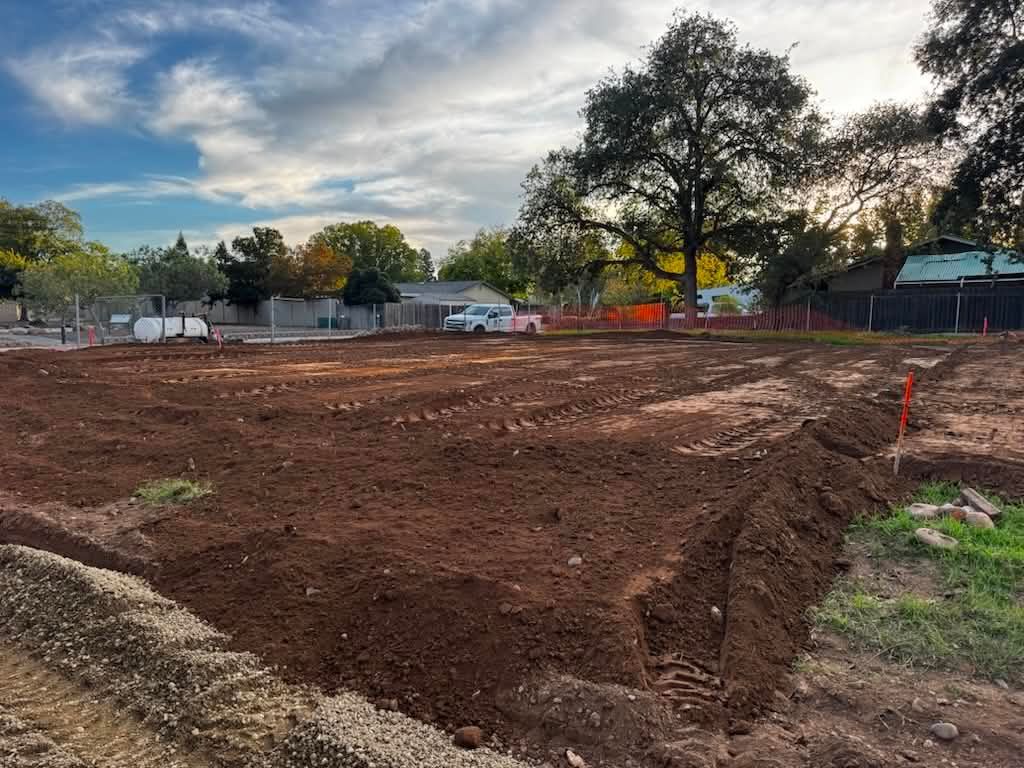
Asphalt performs best when it is supported by properly prepared soil and a stable aggregate base. If the ground beneath the pavement moves, settles or loses strength, the surface above it will eventually move as well.
Proper preparation may include:
- Removing unsuitable or unstable material
- Establishing the correct elevations
- Moisture-conditioning the soil when necessary
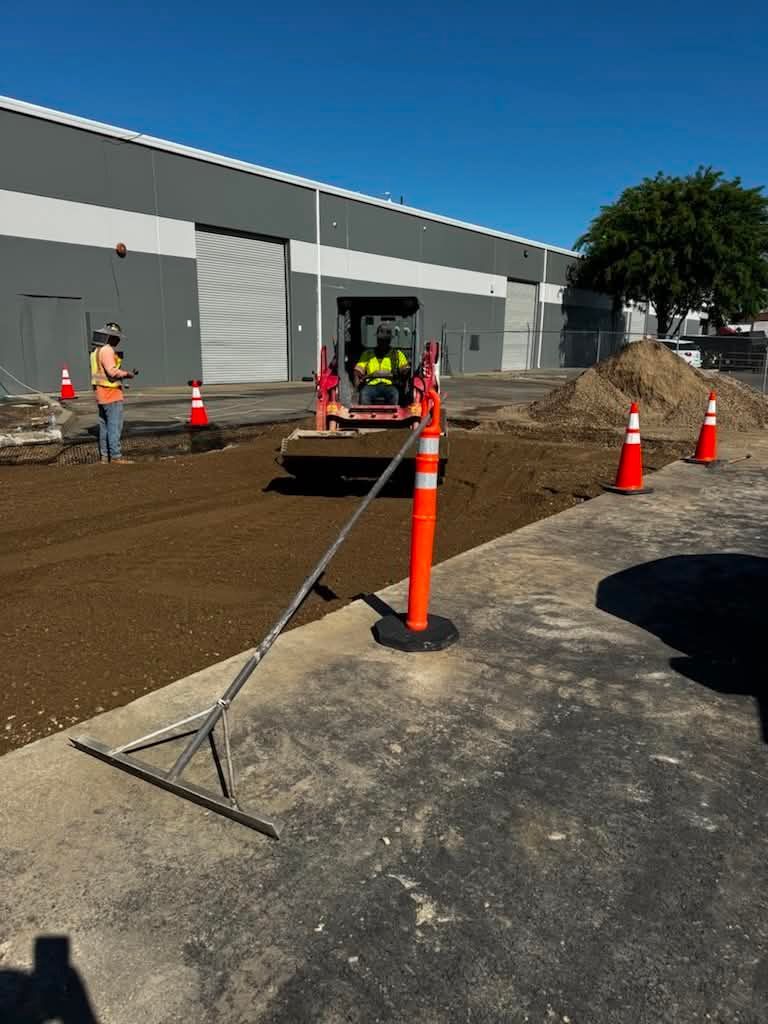
- Compacting the subgrade to project requirements
- Installing the appropriate depth of aggregate base
- Compacting the base in controlled lifts
- Confirming the surface is ready before paving begins
The exact preparation depends on soil conditions, engineering requirements, expected traffic and the intended use of the property.
🚚 Heavy Traffic Requires the Right Pavement Design
A parking area used primarily by passenger vehicles does not experience the same demands as an industrial yard, loading area or truck route.
Heavy vehicles place greater pressure on the pavement structure—especially where they stop, turn or remain parked. If the pavement and underlying base were not designed for that use, rutting, cracking and surface movement may develop prematurely.
Before construction begins, the contractor should understand:
- The types of vehicles using the property
- Expected traffic frequency
- Delivery and loading locations
- Equipment operating weights
- Frequent turning or braking areas
- Long-term plans for the site
The pavement structure should be built around how the property will actually operate, not simply how it looks on a plan.
🛣️ Why Surface Repairs Do Not Always Solve the Problem
Crack sealing, sealcoating and localized patching can be valuable maintenance tools when used under the right conditions. However, they cannot rebuild a failing base or correct unstable soil beneath the pavement.
A lasting repair begins by identifying whether the damage is:
- Limited to the asphalt surface
- Caused by water infiltration
- Connected to utility-trench settlement
- The result of weak or poorly compacted base material
- Related to unsuitable underlying soil
- Caused by traffic exceeding the original pavement design
Once the cause is understood, the repair can be matched to the actual condition instead of relying on a temporary cosmetic fix.
✅ Final Thought
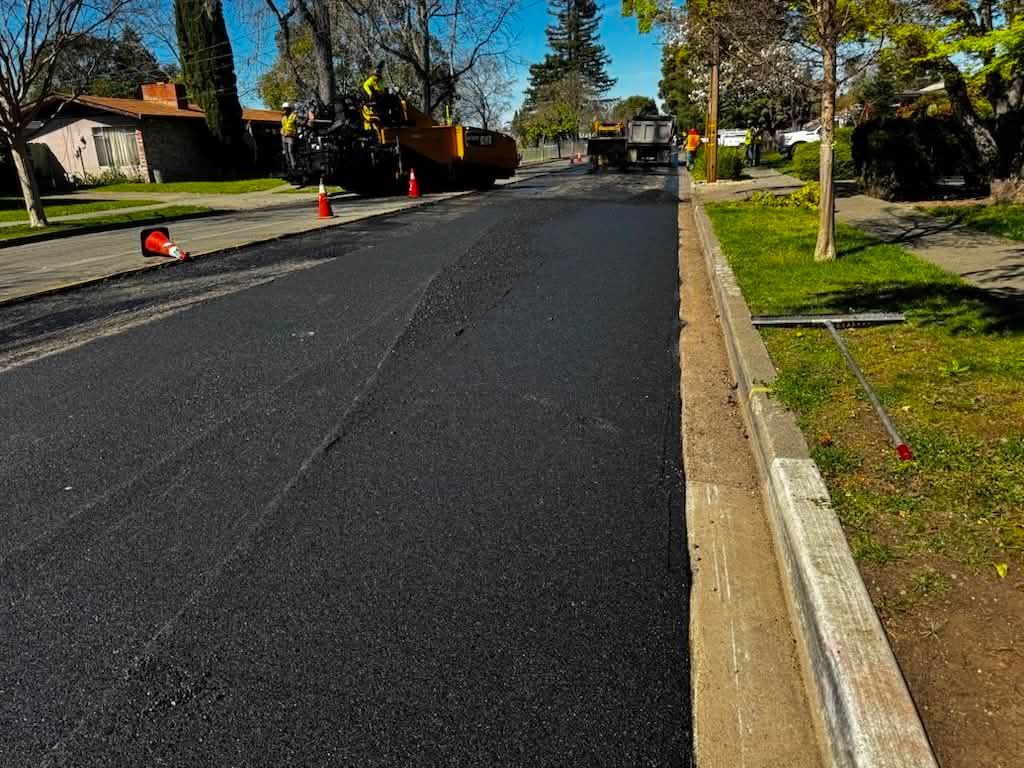
Commercial pavement does not succeed through asphalt alone. Its long-term performance depends on the drainage, grading, soil preparation and aggregate base supporting it.
When pavement begins failing early, looking beneath the surface can reveal what must be corrected before repairs are made. Solving the underlying problem helps protect the new work and reduces the chance of paying for the same repair again.
V2 Grading & Paving Inc. provides grading, excavation, base preparation and asphalt paving for commercial, industrial, municipal, agricultural and development projects throughout Stockton, Lodi, Sacramento and surrounding Northern California communities.