


Why Site Balancing Matters on Commercial Projects | V2
Welcome to V2 Grading & Paving inc. News and Blogs for Local Community
Stockton-Local News, Blogs and DYI Tips for Homeowners
Why Site Balancing Matters Before Construction Begins
Commercial grading involves more than creating a level surface. The site must be shaped around building elevations, roadways, parking areas, drainage systems, underground utilities and the intended use of the finished property.
One of the most important parts of that process is site balancing.
Site balancing compares how much soil must be removed from higher areas with how much material is needed to raise lower areas. When this is planned correctly, suitable material can often be reused on the property instead of being unnecessarily hauled away or brought in.
⚖️ What Does Cut and Fill Mean?
Cut and fill are the two basic movements involved in reshaping a site.
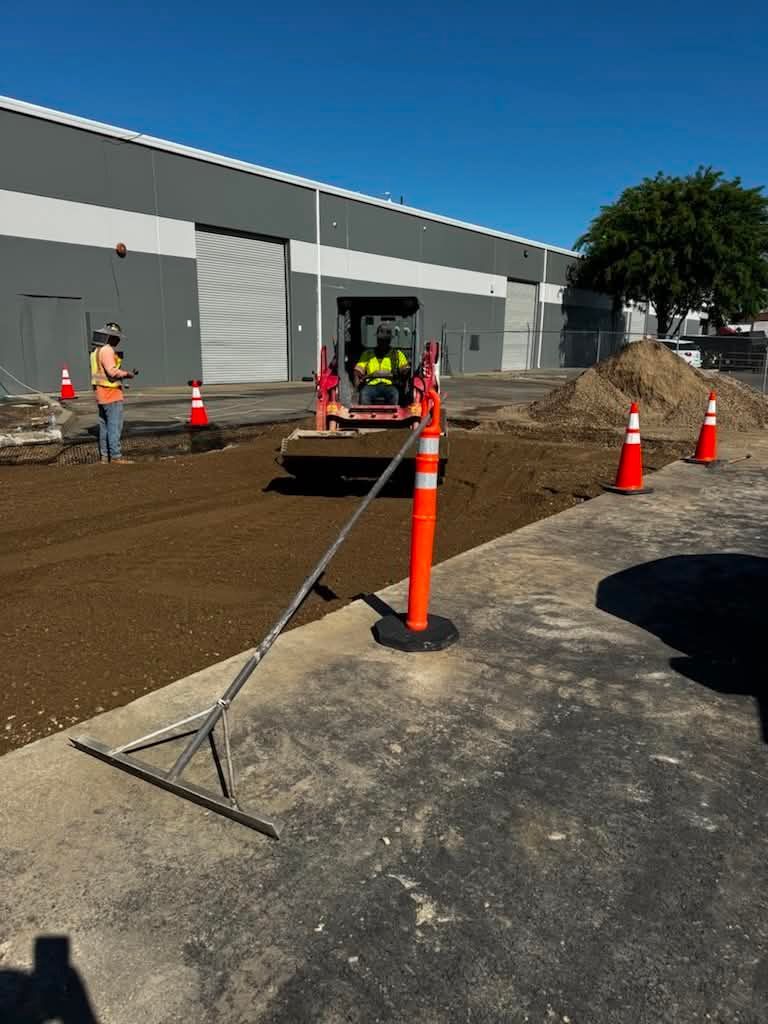
Cut refers to excavating soil from areas that must be lowered. Fill refers to placing suitable material in areas that must be raised.
These operations may be required to establish:
- Building-pad elevations
- Parking lots and truck courts
- Access roads and drive lanes
- Proper surface drainage
- Retaining areas and slopes
- Underground utility elevations
- Concrete and pavement subgrades
The objective is not simply to move dirt from one location to another. Every cut and fill must support the engineering plans and the long-term performance of the finished site.
🚚 Why Material Movement Can Affect Project Costs
Moving soil requires equipment, labor, trucking and disposal or material-purchase costs. A site that produces too much excavated material may require export. A site without enough suitable soil may require imported fill.
Project costs can increase through:
- Loading and hauling excess soil
- Disposal or dump fees
- Purchasing approved fill material
- Trucking imported aggregate or soil
- Additional equipment and labor
- Traffic-control or access limitations
- Delays caused by material availability
A well-planned site balance can help reduce unnecessary movement, but the lowest-cost option is not always to keep everything onsite. Material must still be appropriate for its intended use.
⚙️ Not Every Type of Soil Can Be Reused
Excavated soil is only valuable when it meets the project requirements. Material containing excessive moisture, organic matter, debris or unsuitable soil may not provide the stability needed beneath buildings, concrete or pavement.
The project plans, soil conditions and geotechnical recommendations help determine whether onsite material can be reused.
Important considerations include:
- Soil composition and stability
- Existing moisture levels
- Organic or contaminated material
- Compaction requirements
- Intended location of the fill
- Required finished elevations
- Testing and inspection requirements
Using unsuitable material simply to avoid export costs can create settlement, pavement failure and structural problems later.
💧 Drainage Must Be Considered During Site Balancing
A mathematically balanced site is not necessarily a properly functioning site. The grading plan must also direct water away from buildings, working areas and finished surfaces.
Changing one elevation can affect how runoff travels across the entire property. Fill placed in the wrong area may block an existing drainage path, while excessive cuts can create low areas where water collects.
Effective planning considers:
- Finished floor elevations
- Pavement slopes
- Drain inlets and underground systems
- Swales and runoff paths
- Adjoining properties
- Erosion-control requirements
- Future construction phases
The final grade must support both the project layout and a reliable drainage plan.
📋 Why Early Coordination Makes a Difference
Site balancing should be evaluated before large-scale earthmoving begins. Building plans, utility layouts, road elevations and drainage requirements all influence where material can be removed or placed.
Early coordination can help the project team determine:
- Approximate cut-and-fill quantities
- Which material may be reused onsite
- Whether import or export will be required
- Where equipment and trucks can operate
- How earthwork should be sequenced
- Which areas must be protected or left accessible
- How changes could affect the schedule and budget
That information gives contractors, developers and project managers a clearer picture of what will be required before construction moves forward.
✅ Final Thought
Successful site balancing is about more than reducing the amount of dirt leaving or entering a property. It is about placing suitable material where it will support the plans, drainage and long-term use of the completed site.
Evaluating cuts, fills and soil conditions early can reduce unnecessary trucking, prevent avoidable changes and create a stronger starting point for every phase that follows.
V2 Grading & Paving Inc. provides excavation, earthmoving, grading and complete site preparation for commercial, industrial, municipal, agricultural and development projects throughout Stockton, Lodi, Sacramento and surrounding Northern California communities.